- Rush Multipurpose & Youth Facility
- +353 01 8702934
- info@rmyf.ie
Child Protection in Ireland: Safeguarding Our Future

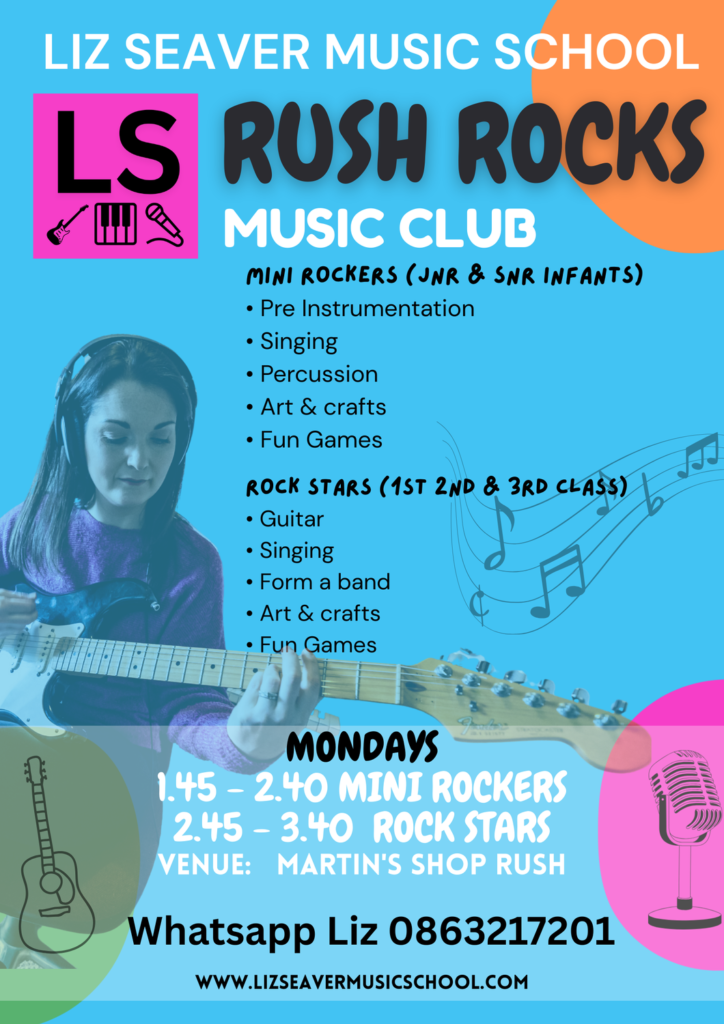
Rush Multipurpose & Youth Facility (Martins Shop) are excited to announce that following Foroige youth program.
October 19, 2024
Join Yoga & Meditation Class Friday from 8th Nov
November 5, 2024Child protection is a critical issue in Ireland, reflecting the country’s commitment to ensuring that all children grow up in a safe, supportive, and nurturing environment. As a society, Ireland has made significant strides over the years in enhancing the legal and social frameworks that protect children from abuse and neglect. However, challenges remain, and continuous efforts are required to ensure the full protection of children’s rights. In this blog, we’ll explore the landscape of child protection in Ireland, its key legal frameworks, the roles of agencies involved, and the challenges that lie ahead.
- Understanding Child Protection in Ireland
Child protection involves the measures taken to prevent and respond to situations where children are at risk of abuse, neglect, exploitation, or other forms of harm. It is a fundamental aspect of safeguarding children’s rights, ensuring their physical, emotional, and psychological well-being.
In Ireland, child protection is governed by a comprehensive legal framework, a network of social services, and a series of national policies aimed at ensuring children’s safety in both domestic and institutional settings.
- Key Legislation Governing Child Protection in Ireland
Ireland has robust child protection laws, rooted in the United Nations Convention on the Rights of the Child (UNCRC), which Ireland ratified in 1992. Some of the key pieces of Irish legislation that guide child protection efforts include:
- The Child Care Act 1991: This is one of the most critical pieces of legislation governing child welfare in Ireland. It places a legal obligation on the Health Service Executive (HSE) to promote the welfare of children in need of care and protection.
- Children First Act 2015: This landmark legislation enshrines the principles of child protection into law. It obligates certain professionals (e.g., teachers, doctors, social workers) to report suspicions of child abuse and mandates that organizations working with children implement a child safeguarding statement. “Children First” has become synonymous with child protection in Ireland, and its National Guidance document provides essential guidelines for identifying and reporting concerns.
- The Criminal Law (Sexual Offences) Act 2017: This law strengthens the protection of children against sexual exploitation and abuse, introducing new offenses related to the grooming of children, online exploitation, and the protection of children involved in criminal justice processes.
- The Ombudsman for Children Act 2002: This law established the Office of the Ombudsman for Children, an independent statutory office that investigates complaints about services for children and promotes children’s rights in Ireland.
- The Role of Tusla: The Child and Family Agency
Tusla, the Child and Family Agency, plays a central role in Ireland’s child protection system. Established in 2014, Tusla is responsible for improving the wellbeing and outcomes of children, including addressing child protection concerns. Some of its key responsibilities include:
- Investigating reports of suspected child abuse or neglect.
- Offering support and services to families and children in vulnerable situations.
- Running family resource centres and alternative care services like foster care.
- Collaborating with other agencies (e.g., An Garda Síochána, the police service) to address cases where children are in immediate danger.
Tusla operates under the “Children First” principles and works closely with schools, hospitals, and other community services to ensure that any risks to children’s welfare are identified early and addressed swiftly.

- Challenges in Child Protection
Despite Ireland’s significant progress, child protection remains a complex area with persistent challenges, such as:
- Resources and Staffing: Tusla and other services often face challenges with insufficient resources and staffing, which can lead to delays in responding to reports of abuse or providing adequate support to families.
- Hidden Forms of Abuse: While physical and sexual abuse often dominate the public’s attention, emotional abuse and neglect are less visible but equally damaging. Ensuring these forms of abuse are identified and addressed remains an ongoing challenge.
- Online Safety: As children spend more time online, particularly after the COVID-19 pandemic, the risk of online grooming, exploitation, and exposure to harmful content has increased. Protecting children in the digital age requires new approaches and strategies.
- Addressing Historical Abuse: Ireland has a painful history of child abuse in institutional settings, which continues to shape modern policies. High-profile inquiries, such as the Ryan Report and the Murphy Report, revealed widespread abuse in state and church-run institutions. Efforts to acknowledge and address historical abuses continue, but healing this legacy is an ongoing challenge.
- Supporting Vulnerable Groups: Children from marginalized backgrounds, including those in direct provision (asylum seekers) or the Traveller community, may face additional barriers to accessing protection and support.
- How Ireland is Moving Forward
The Irish government and child protection agencies are continuously seeking ways to improve child protection policies and practices. Some recent and ongoing initiatives include:
- Enhanced Training for Professionals: There is a growing focus on providing comprehensive training for professionals who work with children, ensuring they are equipped to recognize and respond to signs of abuse or neglect.
- Expansion of Reporting Mechanisms: Tusla’s development of user-friendly, accessible reporting systems has made it easier for the public and professionals to raise concerns about children’s welfare.
- Public Awareness Campaigns: Public campaigns aimed at educating parents, guardians, and communities about child protection laws and the signs of abuse have been vital in building a culture of vigilance and reporting.
- Children’s Rights Alliance: This coalition of over 100 organizations continues to advocate for the rights of children and holds the government accountable for child protection policies, ensuring that Ireland’s child protection framework continues to evolve in response to new challenges.
- The Importance of Community Involvement
While laws and policies are essential, child protection ultimately begins within the community. Teachers, healthcare professionals, neighbours, family members, and friends all play a critical role in safeguarding children. Communities that foster open communication, support families in times of need, and prioritize children’s well-being help create an environment where children are less likely to experience harm.